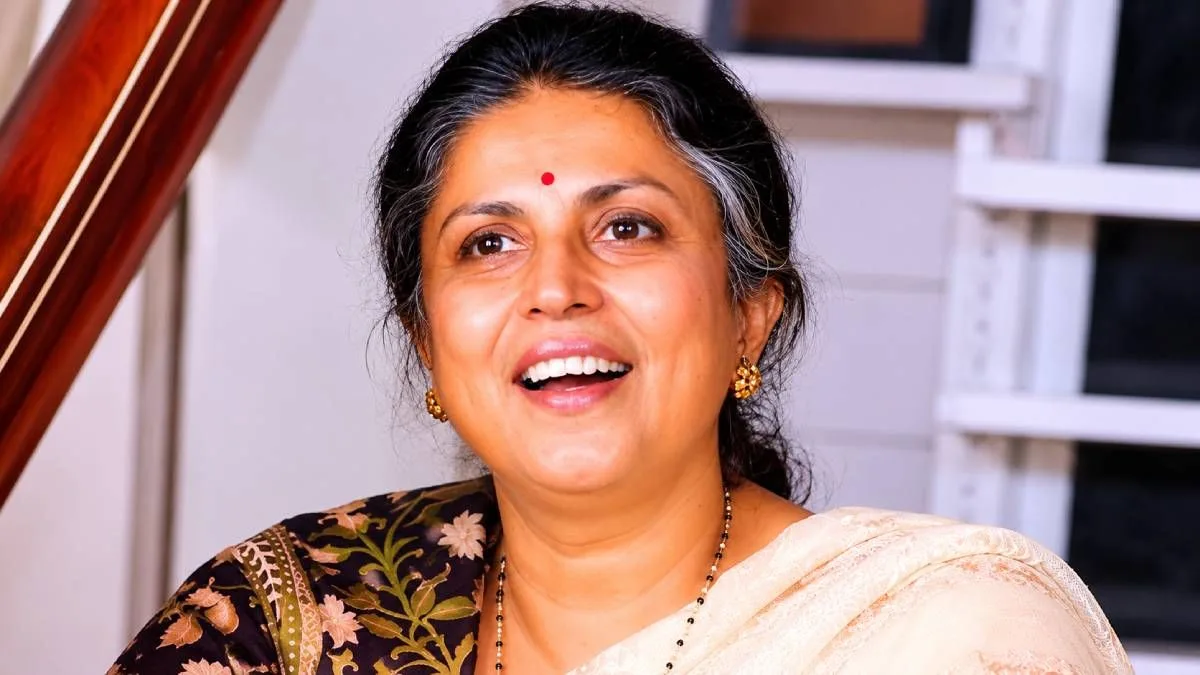
The curtains have fallen on one of the gentlest and most enduring voices of Indian music. Veteran playback singer Suman Kalyanpur, whose songs defined an era and whose voice became the soundtrack of countless memories, passed away in Mumbai on Sunday evening at the age of 89, leaving behind a musical legacy that spans generations and languages.
As news of her passing spread across the country, tributes poured in from political leaders, artists, musicians and admirers, all united in remembering a singer whose artistry transcended time. Leading the nation’s condolences, Prime Minister Narendra Modi paid homage to the legendary singer, describing her contribution as an invaluable part of India’s cultural heritage. “Deeply saddened by the passing of legendary singer Suman Kalyanpur Ji. She enriched Indian music with timeless songs that touched countless hearts across generations. Her contribution to Indian music will remain an enduring part of our cultural heritage. I extend my heartfelt condolences to her family, admirers, and the entire music fraternity,” the Prime Minister wrote in a post on social media platform X.
Advertisement
Kalyanpur passed away peacefully at her residence in Mumbai’s Lokhandwala area after battling age-related ailments. According to those close to her, the singer spent her final moments listening to her own songs—a poignant and fitting farewell for an artist whose life was inseparable from music.
For millions of listeners, Suman Kalyanpur was not merely a playback singer; she was a voice that evoked longing, romance, devotion and nostalgia with equal ease. Her singing possessed a rare purity and grace that allowed emotions to flow effortlessly through every note. In an industry crowded with extraordinary talent, she carved a unique place for herself through restraint, elegance and impeccable musicality.
Born in Dhaka in 1937, then a part of British India, Kalyanpur’s journey into music began at an early age. Trained in classical music, she entered the world of playback singing in the 1950s, a period now remembered as the golden age of Hindi cinema. It was an era dominated by towering musical personalities, yet Kalyanpur’s distinctive voice quickly found admirers among composers, filmmakers and audiences alike.
Over the next several decades, she recorded thousands of songs in Hindi, Marathi, Bengali, Gujarati and several other languages. Her repertoire ranged from romantic ballads and devotional hymns to classical compositions and folk-inspired melodies. Every genre she touched bore the imprint of her characteristic warmth and emotional depth.
Her collaborations with the legendary Mohammed Rafi remain among the most cherished treasures of Indian film music. Songs such as “Aaj Kal Tere Mere Pyar Ke Charche” and “Na Na Karte Pyar Tumhi Se Kar Baithe” became evergreen favourites and continue to find new listeners decades after their release. Music lovers often marvelled at the effortless harmony between Kalyanpur and Rafi, whose duets captured the innocence and romance of an era gone by.
Yet Kalyanpur’s legacy extends beyond individual hits. Music historians often point to her ability to convey profound emotion without theatricality. Her voice carried a quiet strength, allowing listeners to connect deeply with the lyrics and melody. In a profession often defined by glamour and public attention, she remained known for her humility, discipline and dedication to her craft.
Her contributions were equally significant outside Hindi cinema. In Maharashtra, her Marathi songs and bhajans became household favourites, while her devotional recordings earned a devoted following across linguistic and regional boundaries. Through her music, she built bridges between generations, cultures and communities.
The outpouring of grief following her death reflects the enduring place she occupies in India’s collective cultural memory. For many older listeners, her songs are inseparable from cherished moments of youth, family gatherings and radio evenings. For younger generations discovering her music through digital platforms, she remains a timeless reminder of an era when melody and poetry occupied the heart of Indian cinema.
Her passing marks the end of a remarkable chapter in the history of Indian playback singing. She belonged to a generation that shaped the soundscape of post-Independence India and helped establish film music as one of the country’s most powerful cultural expressions. Alongside other legendary voices of her time, she transformed songs into lasting memories and melodies into emotions that continue to resonate long after the final note fades.
As tributes continue to arrive from across the country, the sense of loss is accompanied by gratitude—gratitude for a life devoted to music and for a voice that brought comfort, joy and beauty to millions. Though Suman Kalyanpur is no longer among us, the songs she left behind ensure that she will never truly fall silent.
In homes, on radio stations, in concert halls and across digital playlists, her voice will continue to echo—gentle, graceful and eternal—reminding generations of listeners why some melodies never die.